
When Among Us launched in 2018, few could have predicted that the multiplayer social deduction game would become a mainstream phenomenon during 2020. Updates were eagerly anticipated, and the Airship map arrived as one of the most significant additions in the game’s history. It introduced new tasks, a fresh layout, and new playstyles for both crewmates and Impostors. Yet the reception was never unanimous. In 2026, the Airship map remains a divisive part of the Among Us conversation, praised for its ambition but criticized for the friction created by its scale, its unfamiliarity, and its awkward methods of traversal.
A Big Map With Bigger Consequences
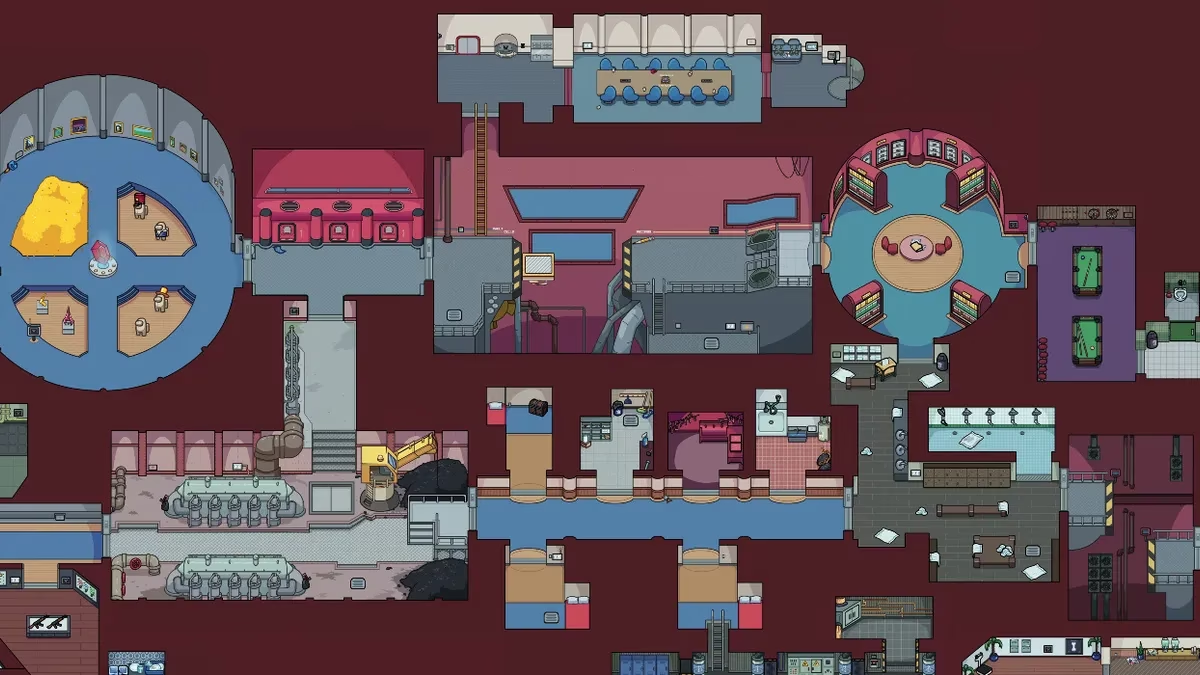
One of the most common complaints about the Airship map is its sheer size. Field of view is a vital component of Among Us gameplay because it allows players to detect danger or spot witnesses. On Airship, massive rooms require more scouting before a crewmate begins a task or an Impostor attempts a kill. The map also contains gaps in pathways that make journeys from one side to the other more difficult. As a result, crewmates are less likely to find bodies, and Impostors are less likely to find victims. Matches often last longer than typical Among Us rounds, which can drain momentum for players who prefer faster social deduction.
The frustrations do not stop at navigation. Tasks such as the safe, along with trivial interactions such as opening a door with a keycard, add extra layers of inconvenience. Because the Airship update introduced tasks with numerous levels of difficulty and offered no tutorial explaining each task’s requirements, crewmates often struggled for far longer than average on unfamiliar objectives. Combined with the map’s size, these problems made impatience rise quickly among less forgiving players.
| Airship Issue | Effect on Crewmates | Effect on Impostors |
|---|---|---|
| Massive rooms | More scouting before tasks | More scouting before kills |
| Gaps in pathways | Harder rotations and body discovery | Harder victim selection |
| No task tutorial | Longer task completion times | More suspicion around confused players |
| Moving platforms and ladders | Lost seconds and awkward positioning | Failed kills and accidental climbs |
The Tutorial Gap and the Social Cost
Among Us is a social game built on familiarity. Players convince one another, defend themselves, and challenge suspicious behavior in a communicative setting. New content is vital for extending the lifespan of any multiplayer title, but the Airship update exposed a tension between novelty and trust. Unfamiliarity leads to suspicion, and suspicion leads to more players being jettisoned into freefall. Crewmates who wandered the wrong corridor or fumbled an unfamiliar task could easily become the target of a vote, even when their behavior was caused by confusion rather than guilt.
That social cost helps explain why the Airship map generated strong distaste in some parts of the fanbase despite a generally positive reception. The problem was not simply that the map was new. It was that the map demanded more time, more coordination, and more patience from players who had learned to rely on quick recognition and familiar routes.
Platforms, Ladders, and Lost Seconds
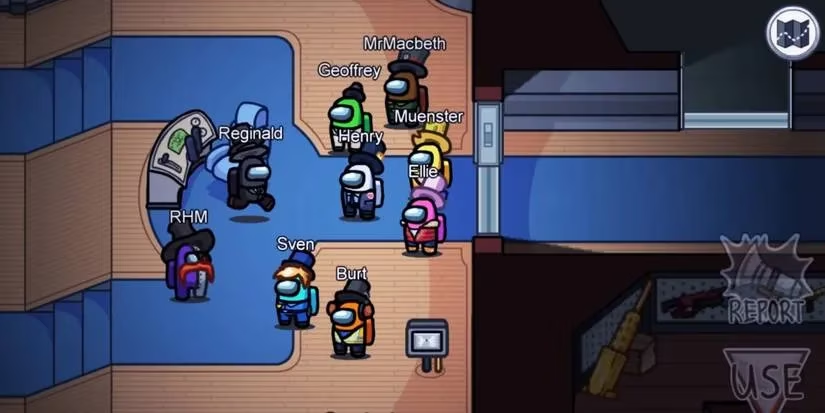
One of the most frustrating aspects of the Airship map is also one of the least likely to change: the inconvenience of moving platforms and ladders. Time and again, crewmates and Impostors find themselves stranded on the wrong side of the map because a moving platform cannot be sent back. Ladders pose a similar problem. A crewmate may attempt to interact with a task such as the reactor panel and instead begin ascending or descending. An Impostor may attempt to kill a crewmate and instead climb a ladder. These forms of transportation devour precious seconds that players could use to devise strategic plans, navigate the map, or complete tasks.
Such issues are not merely cosmetic. They affect pacing, risk assessment, and the reliability of movement. In a game where a few seconds can determine whether a kill is witnessed or a meeting is called, awkward traversal becomes a gameplay problem rather than a minor annoyance.
What the Airship Map Reveals About Among Us in 2026
Updates to Among Us will always expand the game’s lifespan, but no update can satisfy an entire player base. Change is difficult to accept, yet gamers are adaptable, and InnerSloth has consistently shown its intent to improve and update Among Us. The Airship map may have been met with mixed results, but a lack of new content would be more damaging to the game than content that needs refinement.
In 2026, the Airship debate is less about novelty and more about design legacy. The map demonstrates that scale must serve social deduction rather than slow it down. It also shows that unfamiliarity can be exciting, but only when players have enough guidance and reliable movement to enjoy it. The Airship map is ambitious, memorable, and occasionally maddening — a combination that explains why it still divides Among Us players years after its arrival. 🚀🗺️