
Looking back from 2026, the trajectory of Among Us stands as one of the most remarkable turnarounds in gaming history. In 2019, the developers at Innersloth had essentially packed up and moved on. The game, which had seen a modest release in 2018, had received its third map and a handful of updates. For the small team, that felt like the end of the road. They were ready to shelve the project and dive headfirst into prototyping new game ideas, some of which, as co-founder Marcus Bromander later revealed, had progressed quite far. The social deduction game set in a colorful, cartoonish spaceship was, for all intents and purposes, finished. The crewmates were about to be permanently spaced.
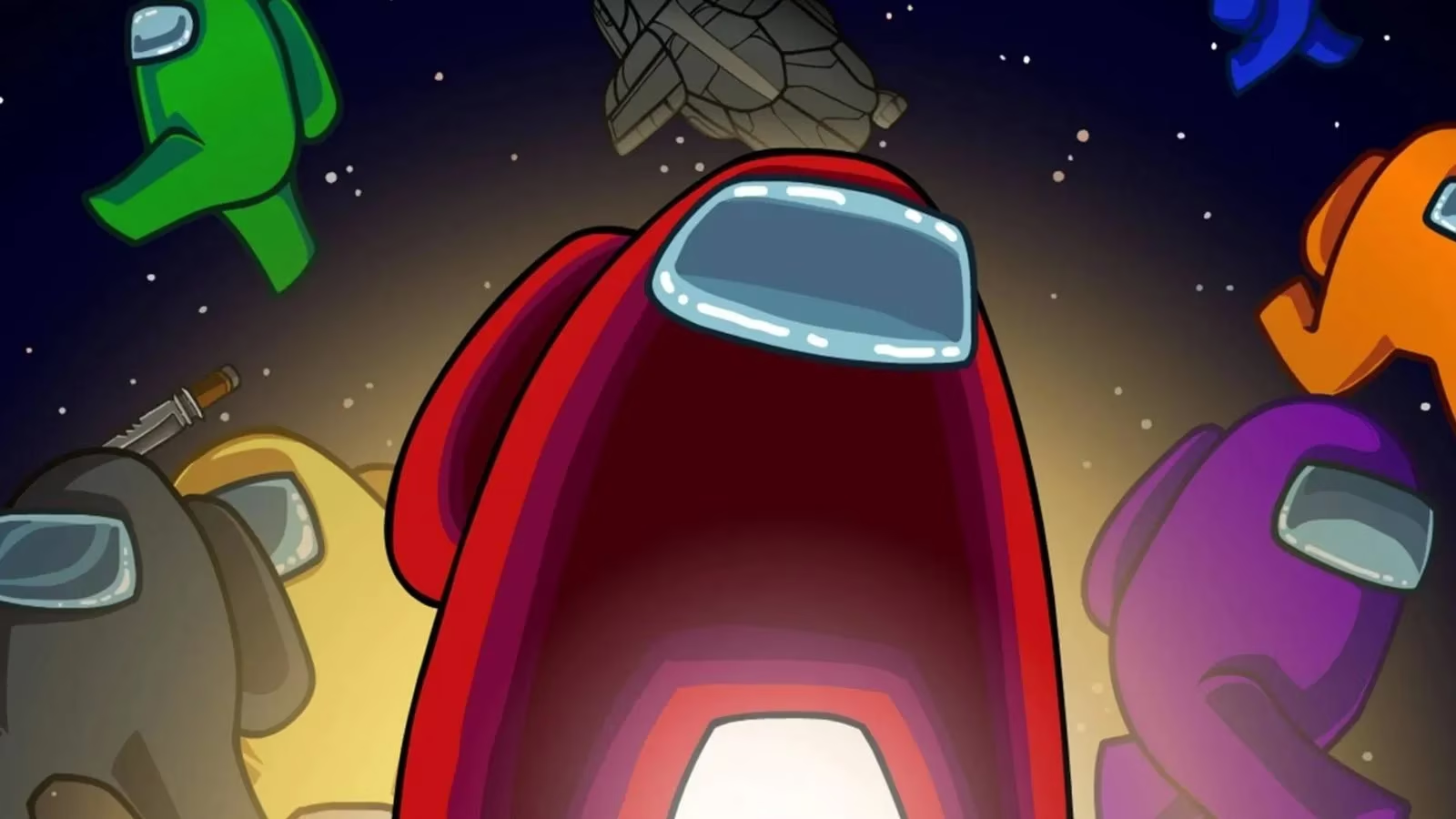
Then, 2020 happened. As the world grappled with lockdowns and a profound lack of physical social interaction, Among Us found its moment. The game's core premise—working together while secretly hunting a traitor—perfectly mirrored the era's blend of digital connection and underlying suspicion. Player numbers exploded. Servers strained under the unexpected load. What was once a niche title became a global sensation, played by millions seeking a way to laugh and conspire with friends from isolation. This sudden surge presented Innersloth with a monumental decision: stick to their original plan for a sequel or pivot to support the game everyone was suddenly playing.
The team chose to "ride the wave." The idea of Among Us 2 was actively discussed, but a crucial realization took hold. Creating a sequel would mean ending support for the original game that had just captured the world's attention. "Should we do Among Us 2 or should we update the game that everyone is already playing?" Bromander pondered. The choice became clear. They redirected all their energy into expanding and updating the existing Among Us, a move that cemented its place in pop culture. The developers, who had been ready to walk away, now had the unique and thrilling challenge of delivering live updates to an audience of millions.
This decision launched the game into a new phase of sustained growth and creative partnerships. By 2026, Among Us has evolved far beyond its initial scope. It has become a platform for crossover events, seamlessly integrating with other gaming universes. The collaborations range from major triple-A franchises to beloved indie darlings, constantly refreshing the experience for its dedicated player base.
One of the more memorable, if darkly humorous, crossovers was with Space Warlord Organ Trading Simulator. This update introduced a macabre but fitting new layer to the game's lore: players could engage in a grim market, buying and selling the... processed remains of crewmates who had fallen victim to the Impostor. It was a stark reminder that in the cold vastness of space, even tragedy could become a commodity. While not for the faint of heart, it showcased the developers' willingness to experiment with bold, thematic integrations.
The game's enduring legacy is built on more than just collaborations. The initial pivot in 2020 allowed for continuous core improvements:
-
Enhanced Social Features: Voice chat integration, improved lobby systems, and better friend-list functionality.
-
Expanded Customization: A vast array of new hats, pets, skins, and visor colors for personal expression.
-
New Roles & Mechanics: The introduction of additional roles like Scientists, Engineers, and Guardian Angels added strategic depth beyond the classic Crewmate vs. Impostor dynamic.
-
Map Variants & Events: Limited-time modes and holiday-themed versions of classic maps kept the gameplay loop feeling fresh.
From the perspective of 2026, the story of Among Us is a testament to timing, community, and developer adaptability. It's a game that was literally saved by its players. The pandemic-era boom provided the lifeline, but Innersloth's decision to nurture that community—rather than restart with a sequel—is what transformed a fleeting trend into a lasting institution. The game's journey from the brink of cancellation to a staple of digital socializing highlights a simple truth in the modern gaming landscape: sometimes, the biggest successes are the ones you never saw coming. The little spaceship that almost didn't, continues to sail, full of crewmates, impostors, and endless suspicion.