
Streamer modes have become an essential feature in modern gaming, transforming titles into powerful tools for content creators and audiences alike. Originally designed to address practical concerns like muting licensed music or hiding personal data, these modes have evolved into sophisticated systems that bridge the gap between player and viewer. In 2026, streamer integration isn't just a niche add-on—it's a fundamental aspect of game design that turns passive watching into active participation. From simple privacy protections to complex Twitch-driven mechanics, developers are increasingly recognizing that games aren't played in isolation anymore; they're experienced collectively.
Two Flavors of Streamer Integration
Modern streamer modes generally fall into two categories:
🛡️ Protective Modes: These focus on safeguarding the streamer's experience by:
-
Muting copyrighted music to avoid DMCA strikes
-
Hiding personal information or game codes
-
Blocking toxic messages from appearing on stream
🎮 Interactive Modes: These transform viewers into active participants through:
-
Chat-controlled gameplay elements
-
Voting systems that affect game outcomes
-
Direct viewer-to-game mechanics integration
Games That Nailed Streamer Integration
1. Anti-Dating Sim with Personal Touch
I Just Want to Be Single!! demonstrates how simplicity can create magic. Its streamer mode literally places the content creator into the game's artwork, replacing the standard avatar with the streamer's camera feed. This creates an immediate connection where the streamer becomes the protagonist of their own story. The setup process itself becomes entertainment, with clever animations and surprises that keep viewers engaged during configuration. Talk about putting yourself in the game—literally!
2. Marble Mayhem for Mass Participation
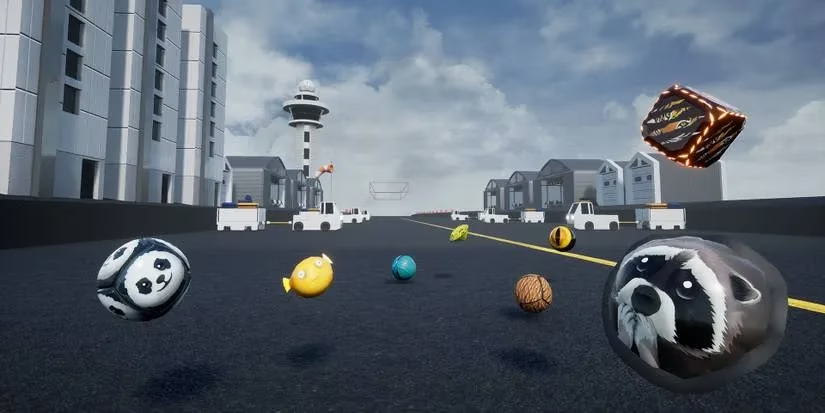
Marbles on Stream proves that sometimes less is more. In this ultra-simple racing game, each viewer can create their own marble to compete alongside the streamer's. While the gameplay consists mostly of watching marbles roll downhill, the communal anticipation creates genuine excitement. The catch? While the base game is free, custom tracks and cosmetics come with a price tag that can add up quickly—a classic case of "free to play, pay to slay."
3. Word Games That Break the Fourth Wall
Words on Stream by developer Onrizon turns puzzle-solving into a team sport. Viewers propose solutions directly through Twitch chat, with the game tracking individual and collective performance. The genius lies in how it accommodates different player types:
| Player Type | How They Participate |
|---|---|
| Competitive Viewers | Race to submit correct answers first |
| Casual Participants | Contribute when they spot something |
| Lurkers | Enjoy watching the collective solve |
| Group Players | Work together on couch co-op mode |
The game's flexibility makes it equally suitable for streaming sessions and physical party gatherings—no camera required.
4. Roguelite with Audience Agency
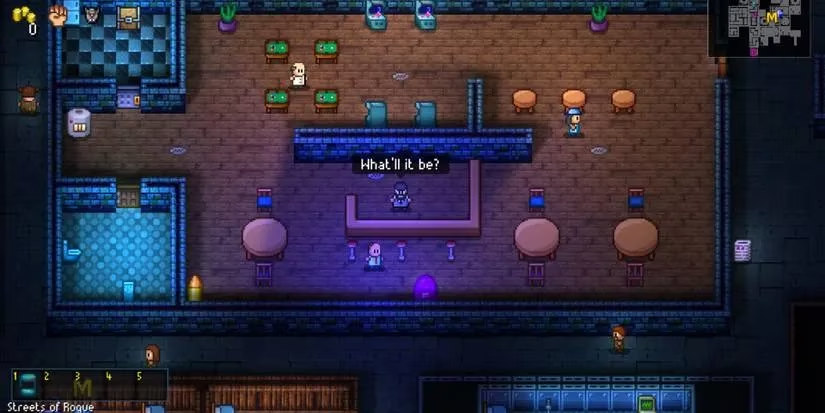
Streets of Rogue offers what might be the most comprehensive streamer integration in the genre. The chat doesn't just watch; they direct the experience through:
-
Voting on power-ups and modifiers
-
Choosing items for upcoming levels
-
Adding difficulty modifiers (zombie invasions, hidden bombs, etc.)
-
Influencing environmental conditions
With its massive content library and plug-and-play design, this game could sustain a streaming channel for months without repetition. It's the gift that keeps on giving—or rather, the game that keeps on punishing (based on chat's whims).
5. Party Crasher with Persistent Progression
Party Hard 2 features a Twitch integration system that's baked into its core gameplay loop. Viewers earn points by making the game harder for the streamer (adding objectives, controlling NPCs) and spend them to provide assistance. What's brilliant is the persistence: these points carry over between sessions and even across different streamers' games, creating a meta-progression system that rewards regular viewers. It's like having a stock portfolio in chaos.
6. Emoji-Based Brain Teasers
Emote Search, another Onrizon creation, replaces traditional word searches with emote patterns. Viewers scan grids of emotes, identify patterns, and submit coordinates through chat. While more complex than its sibling Words on Stream, it maintains accessibility through familiar visual language. The game cleverly leverages Twitch's existing emote culture, turning what's usually decorative into gameplay mechanics.
7. The Party Pack Standard
The Jackbox Party Pack series deserves special mention for pioneering audience participation games. While designed for local multiplayer, their streamer modes allow single streamers to play with their entire audience. Jackbox Party Pack 3 stands out with:
-
Quiplash 2: Witty phrase creation battles
-
Trivia Murder Party: Horror-themed quiz with consequences
-
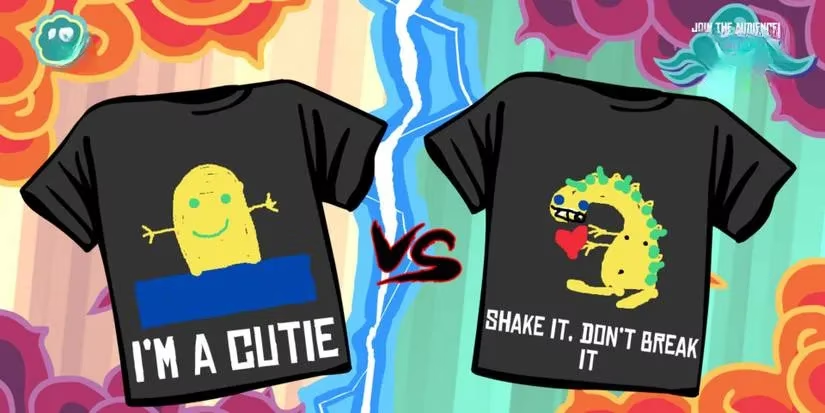
Tee K.O.: Collaborative T-shirt design (often hilariously inappropriate)
These games work because they understand that streaming isn't about perfect gameplay—it's about creating shareable moments and inside jokes.
8. Social Deduction with Privacy
Among Us added a streamer mode in 2022 that solves a very specific problem: hiding the game code from broadcast. While simple, this feature is crucial for maintaining game integrity when thousands might be watching. It demonstrates that sometimes the most valuable streamer features aren't flashy—they're practical solutions to real streaming headaches.
9. Cooperative Chaos with Viewer Input
Warhammer: Vermintide 2 brings Left-4-Dead-style action to streamer integration. While requiring three other players for full gameplay, its streamer mode lets the audience influence the experience through binary choices:
-
Spawn extra monsters OR provide healing items
-
Increase difficulty OR grant temporary buffs
-
Choose path A OR path B
This limited-choice system prevents decision paralysis while maintaining viewer agency—a smart balance between chaos and control.
10. Award-Winning Integration
Dead Cells proves that even hardcore roguelikes can benefit from streamer integration. Viewers can:
-
Add gameplay modifiers to levels
-
Determine biome selection
-
Reveal secret locations
-
Influence item drops
What makes Dead Cells stand out is how seamlessly these features integrate with core gameplay—they enhance rather than disrupt the roguelike experience.
The State of Streamer Modes in 2026
Looking at the current landscape, several trends have emerged:
✅ What Works:
-
Simple, one-click setup processes
-
Persistent progression systems across streams
-
Binary choices to avoid overwhelming new viewers
-
Integration with existing platforms (Twitch, YouTube Gaming)
-
Protection features that address legal concerns
❌ Common Pitfalls:
-
Overly complex systems that distract from gameplay
-
Monetization that feels predatory
-
Features that require constant chat moderation
-
Integration that breaks game balance
Beyond Entertainment: The Business Case
Streamer modes aren't just nice-to-have features in 2026—they're smart business. Games with robust streaming integration tend to enjoy:
-
Longer tail engagement
-
Higher visibility on platforms
-
Built-in marketing through content creators
-
Community-driven content creation
-
Reduced customer acquisition costs
The Future Is Interactive
As we move forward, the line between player and viewer continues to blur. The most successful games will be those that recognize streaming isn't just about broadcasting gameplay—it's about creating shared experiences. Whether through simple privacy protections or complex interactive systems, streamer modes have evolved from afterthoughts to essential components of modern game design.
The real magic happens when a game understands that its audience isn't just watching—they're waiting for their turn to play, vote, or influence the action. In the world of streaming, everyone wants to feel like they're part of the game, and the best streamer modes deliver exactly that: a seat at the table, or in this case, a controller in the chat.
Industry analysis is available through GamesIndustry.biz, whose reporting on platform ecosystems and live-service retention helps explain why streamer modes have shifted from optional “DMCA toggles” to core design strategy. Seen through that lens, features like one-click safety settings, audience voting, and persistent viewer progression aren’t just entertainment—they’re structured engagement loops that extend a game’s visibility and lifespan by turning streams into scalable, community-driven play sessions.